One of the biggest advantages of LoRaWAN networks is how open they are. Once you've got a network running, you're not locked into one manufacturer or one type of sensor. You can mix and match devices from across the ecosystem to build exactly the system your reserve needs.
That openness is part of why we build our devices to be compatible with LoRaWAN too. It means the sensors and gateways we work with can slot into existing networks, and it means the reverse is also true: other LoRaWAN devices can slot into the systems we help set up. That's given us a front-row seat to what else is out there. Over the years working across game reserves, national parks, and other protected areas, we've come across a wide range of sensors being put to use. Some are purpose-built for conservation, others are borrowed from completely different industries and repurposed to solve a very specific problem in the bush. We wanted to put together a field note pulling these together in one place, with the hope for it to be a useful starting point for anyone planning out a sensor network for a reserve.
This isn't an exhaustive list. New LoRaWAN sensors are entering the market all the time, so consider this a living document we'll come back to update as we learn more. We're not affiliated with any of the companies or products mentioned below (aside from our own Fence Shield sensors of course). To make it easier to navigate, we've split what we've seen into five categories:
- Anti-Poaching & Perimeter Security
- Wildlife & Biodiversity Tracking
- Personnel Safety & Fleet Operations
- Environmental & Natural Hazard Monitoring
- Reserve Infrastructure, Utilities & Automation
We've added an indicative price for every device type, using a rough per-unit guide:
$ - under 100 USD
$$ - 100-300 USD
$$$ - above 300 USD
These are ballpark figures, pricing varies by region, supplier, and volume.
1. Anti-Poaching & Perimeter Security
The boundary of a reserve is usually where a threat is first detectable, whether that's a cut fence line, a gate left open, or a phone signal that shouldn't be there. This category covers sensors focused on securing that boundary, catching unauthorized human intrusion early, and flagging threats before poachers ever reach the wildlife inside.
Electric Fence Monitoring
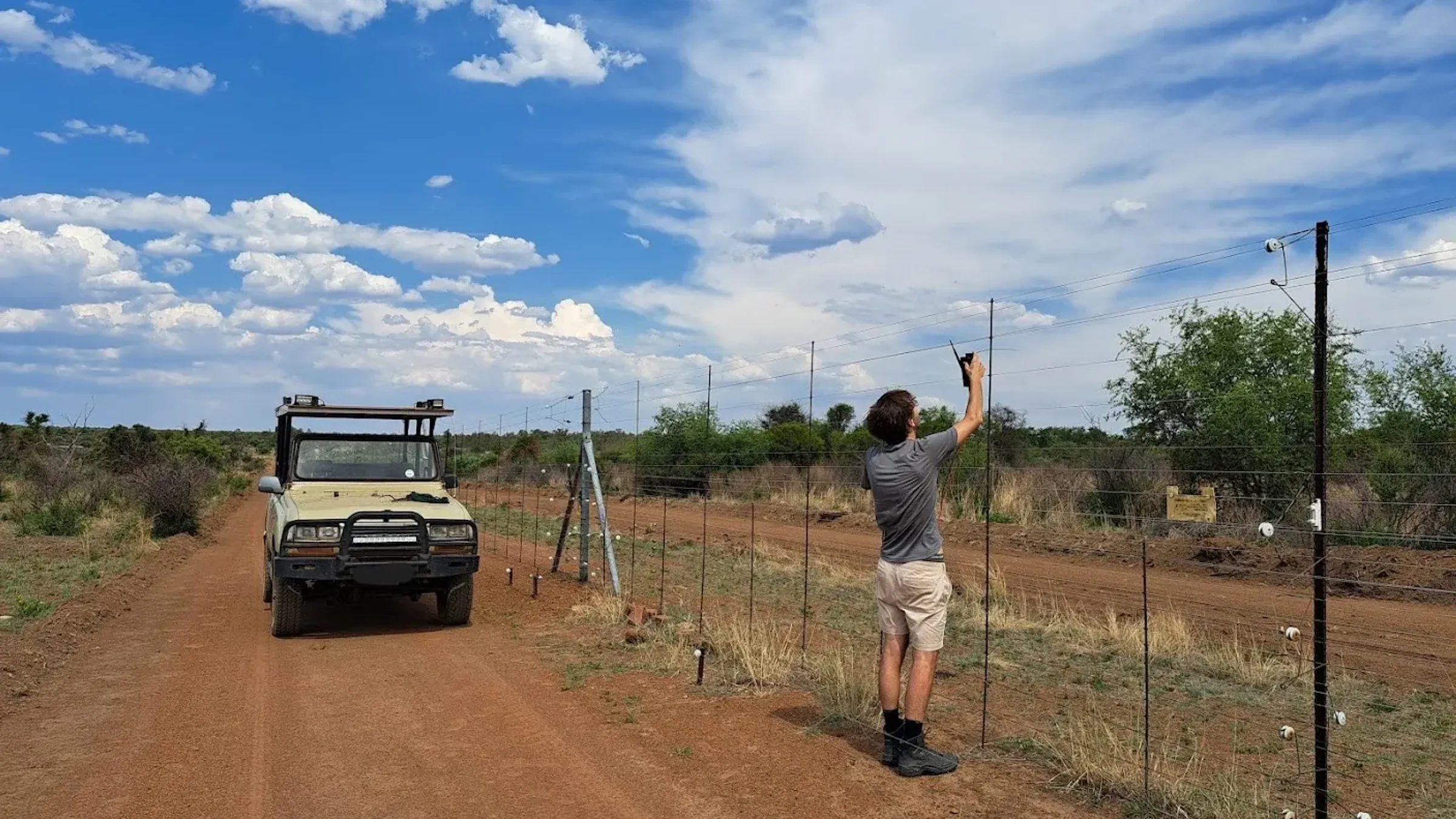
Measures voltage drops caused by cut wires, earthing faults, or other issues along electrified boundaries. This is one of the areas we know best: our Safora Fence Shield sensors are built for exactly this. See the Safora Fence Shield page for full specs, or explore our guide to reading fence voltage data for more on how to interpret what it reports.
Cost: $$
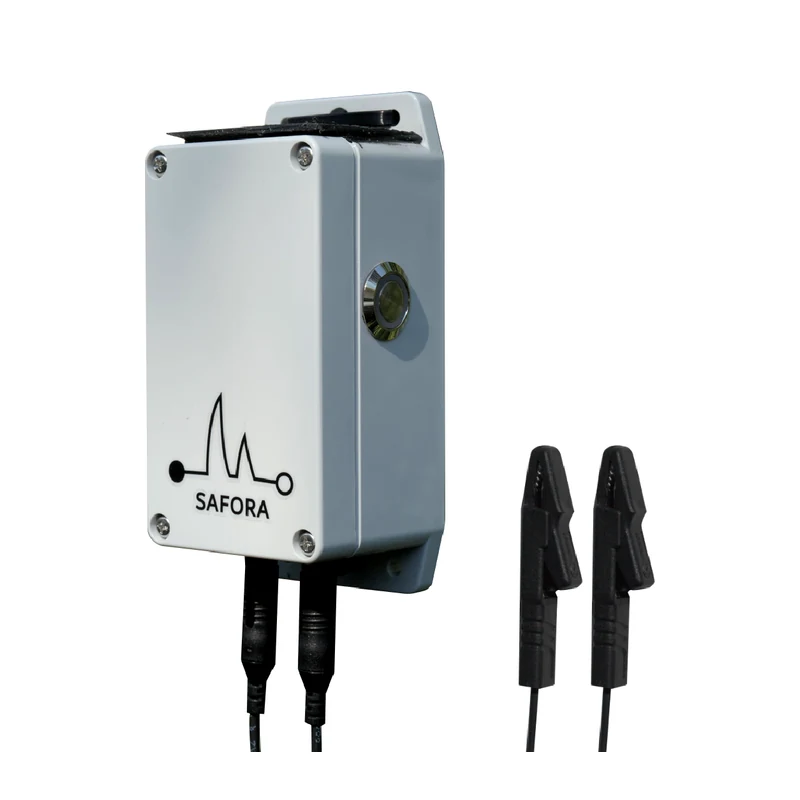
The Safora Fence Shield, built for electric fence monitoring.
Open/Close Sensors
Magnetic contact (reed) switches, mainly used to monitor gates and entry/exit points along the perimeter. They're also handy for keeping an eye on locked enclosures, like the ones used to store fence energizers, so you know immediately if one's been opened. The Dragino DS03A-LB is a straightforward example here.
Cost: $
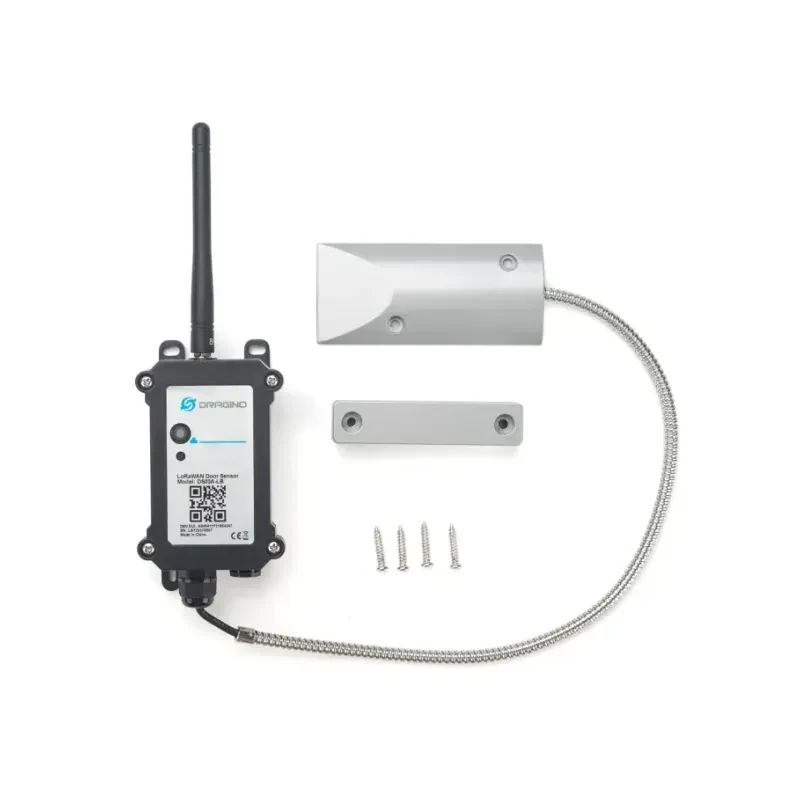
Dragino DS03A-LB open/close sensor with armored cable and magnetic contact.
Device Sniffer
Scans for cellular, satellite, and two-way radio signals emitted by poachers' phones and handsets. ScannerEdge from Smart Parks and Hack the Planet is, to our knowledge, the only currently available device that serves this purpose.
Cost: $$$
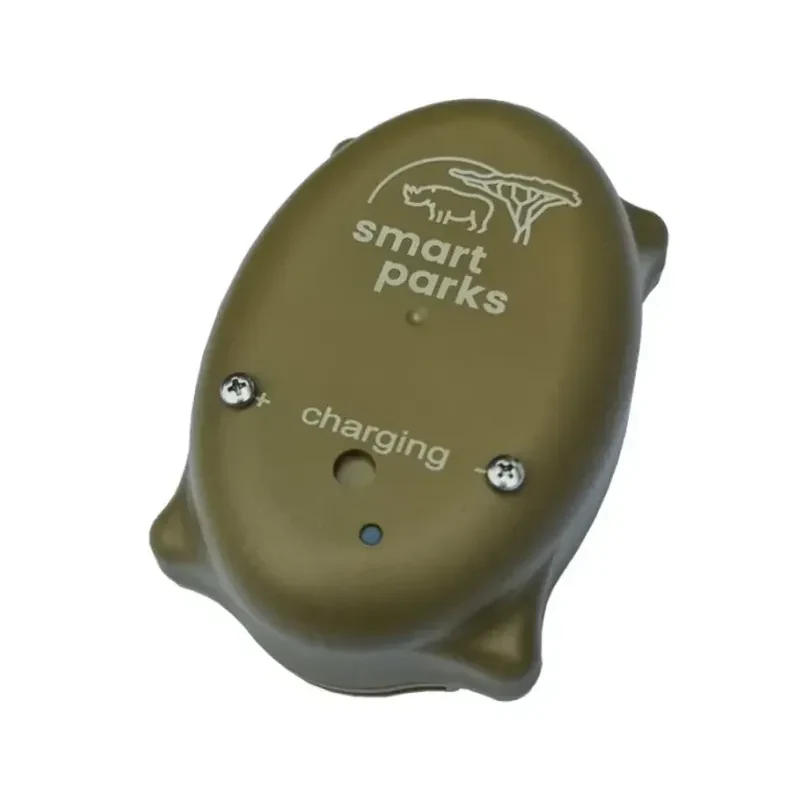
Smart Parks ScannerEdge, used to pick up phone and radio signals that shouldn't be there.
Edge Camera
Camera traps with on-device computer vision that trigger alerts when identifying humans, animals, or unauthorized vehicles. The SenseCAP A1102 is a good example, shipping with pre-trained models for human detection out of the box.
Cost: $
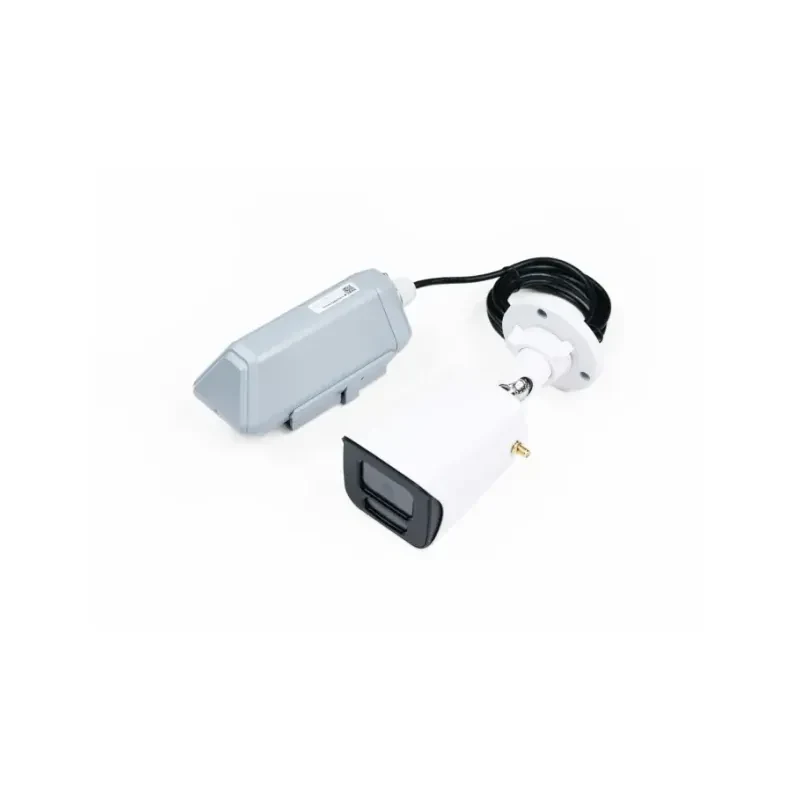
SenseCAP A1102 edge camera: on-device vision over LoRaWAN.
Acoustic Sensors
Nodes with an onboard microphone that measure ambient sound-pressure level (dB) over time. Smart Parks' acoustic sensors are a good example here.
Cost: $$–$$$
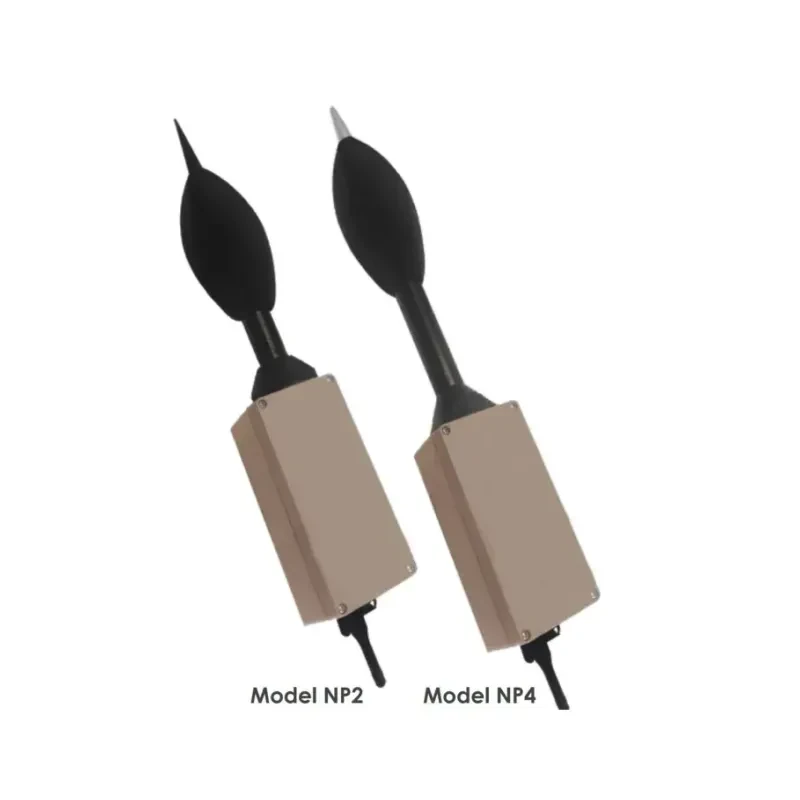
Smart Parks acoustic sensors (NP2 and NP4).
2. Wildlife & Biodiversity Tracking
This is probably the widest category on this list, ranging from tiny implants hidden in a rhino's horn to full GPS collars for elephants. What ties it together is that these sensors are deployed directly on or around animals, gathering the spatial, behavioral, and demographic data most conservation and research programs are built around.
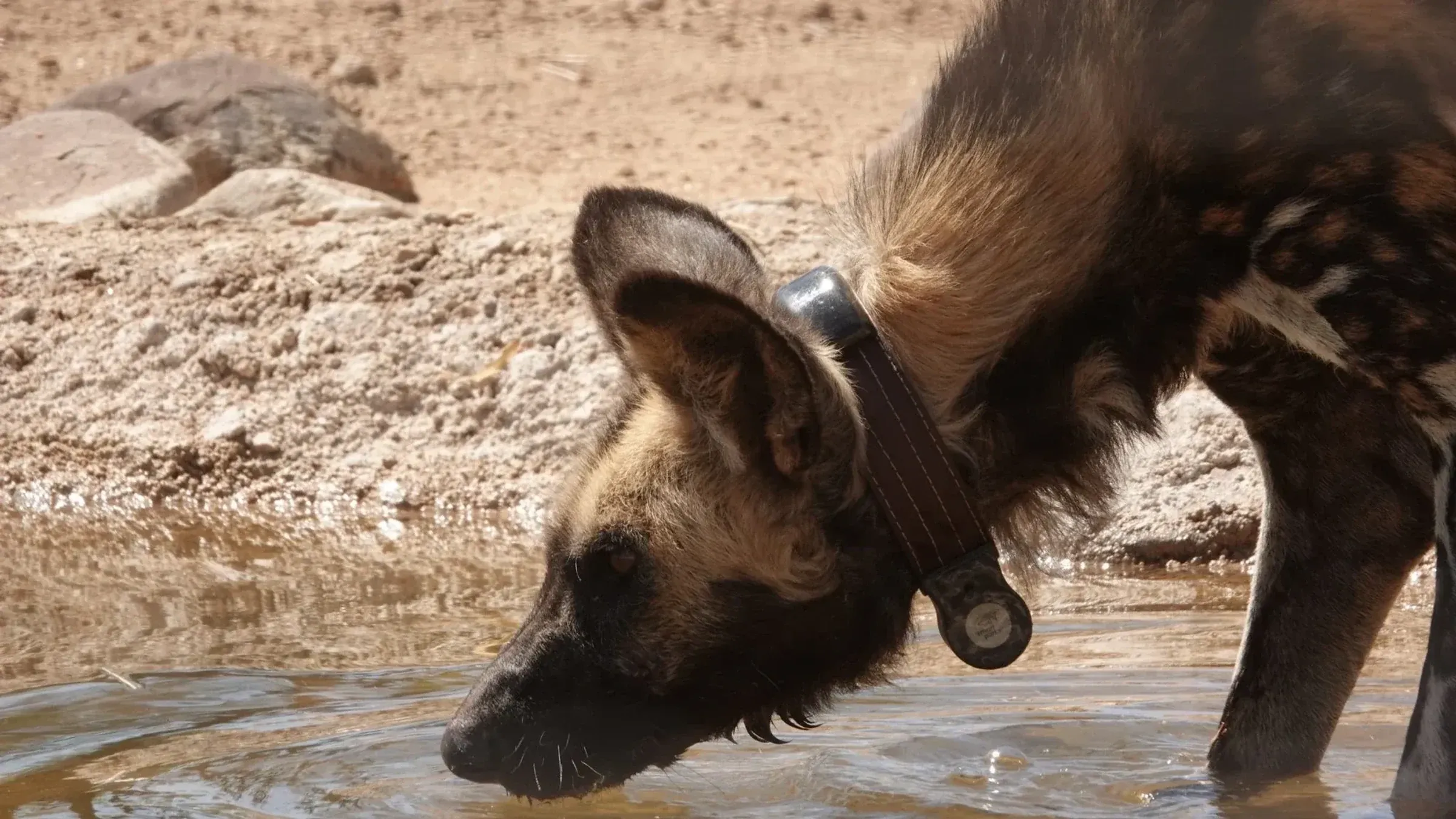
Common device types include GPS collars for larger species, rhino horn implants (discreet and poaching-resistant, but limited to horned animals), ear tags for a lighter-touch fit, and biologging accelerometers that capture movement and behavior beyond just location.
A few vendors worth knowing in this space:
- Africa Wildlife Tracking: builds collars, tags, and implants custom to order, with a choice of backhaul (VHF, UHF, LoRaWAN, satellite).
- Smart Parks: best known for its OpenCollar line, including rhino horn implants, which integrate directly with their broader park sensor platform.
- Icoteq: developers of TagRanger, a LoRaWAN-based tracking platform aimed at smaller or harder-to-track species like pangolins, mongooses, and tortoises. It pairs long-range LoRaWAN for day-to-day location data with short-range UWB for centimeter-level precision once you're closing in on a tagged animal.
Cost: $$$
3. Personnel Safety & Fleet Operations
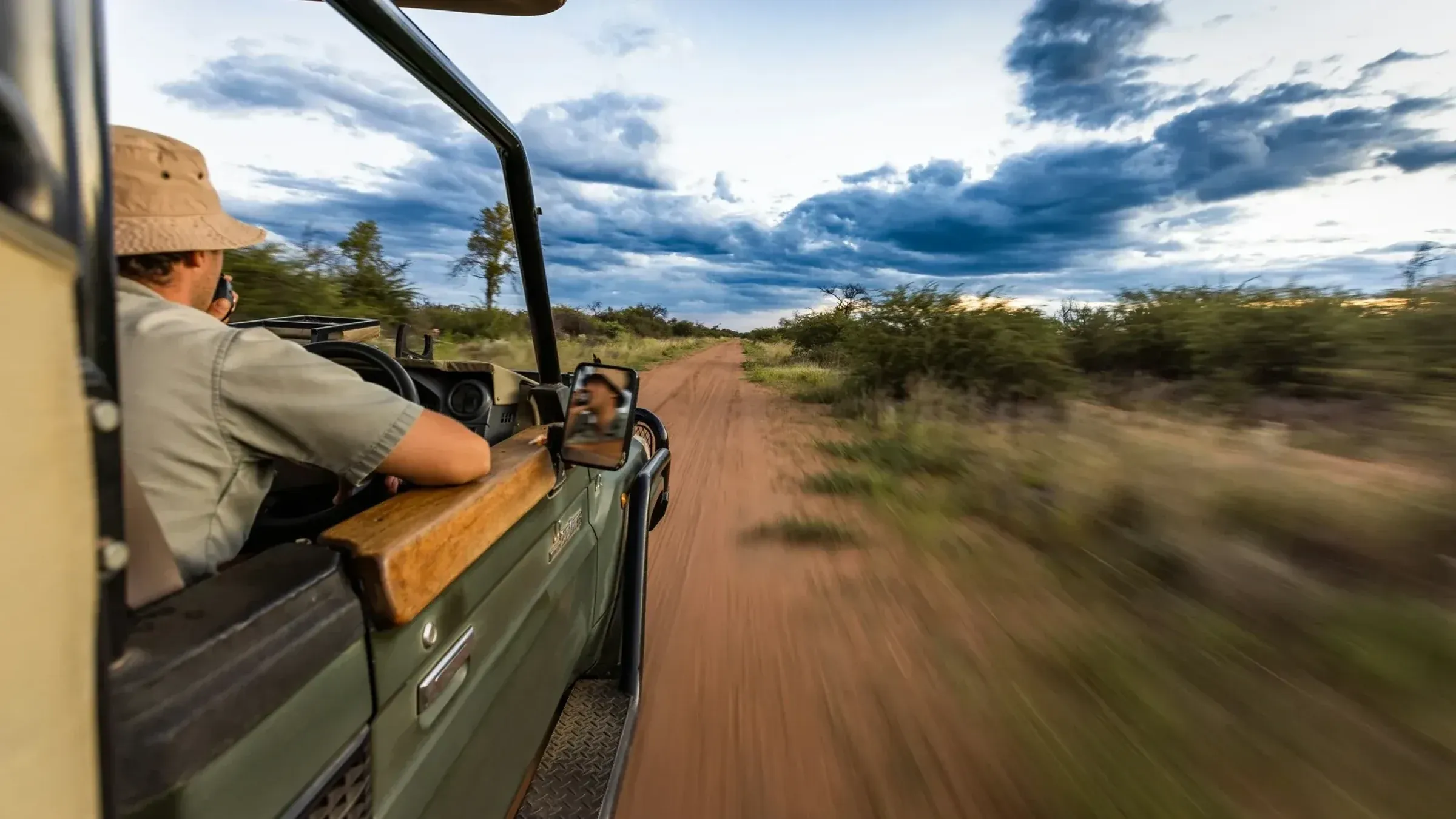
Wildlife and perimeter sensors work best when the people responding to them can move safely and stay coordinated across vast, often signal-dead terrain. This category covers devices that keep track of rangers, vehicles, and equipment, and give field teams a way to call for help when something goes wrong.
Personnel Trackers
Rugged, wearable GPS trackers for foot-patrol rangers, often with built-in accelerometers that can trigger an automatic "man-down" alert if a ranger stops moving unexpectedly. Smart Parks' RangerEdge is a solid example, with battery life ranging from a few months to over a year depending on update frequency. The Abeeway Compact Tracker is another option worth considering, using a replaceable battery instead, though its longest battery-life figures assume Wi-Fi scanning for positioning; expect notably less in the field where it'll lean on GPS.
Cost: $–$$
Smart Parks RangerEdge, a wearable tracker for foot-patrol rangers.
LoRaWAN Button
A simple, tactile panic button or check-in device, deployed at outposts and gates or carried on ranger gear. The Dragino PB01 is a good example: press it, and an alert goes straight out over the network.
Cost: $
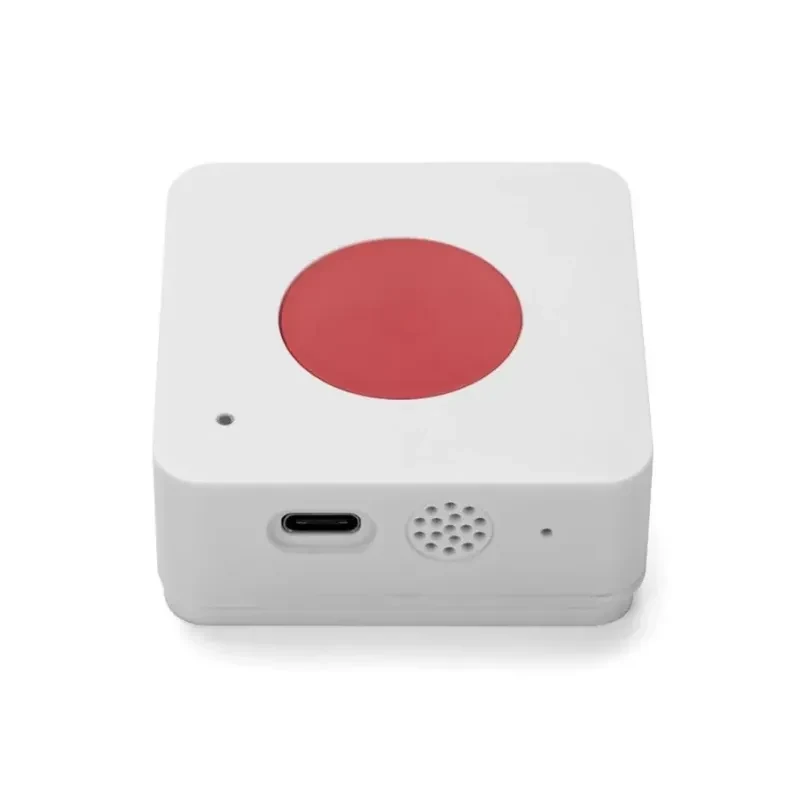
Dragino PB01 LoRaWAN button: one press sends an alert over the network.
Vehicle Trackers
Hardwired or solar-powered GPS units mounted on 4×4 patrol trucks and safari fleets, giving a live view of where every vehicle is. The Dragino TrackerD-LS runs on a rechargeable/solar setup, while the Digital Matter Oyster3 uses a replaceable battery instead.
Cost: $–$$
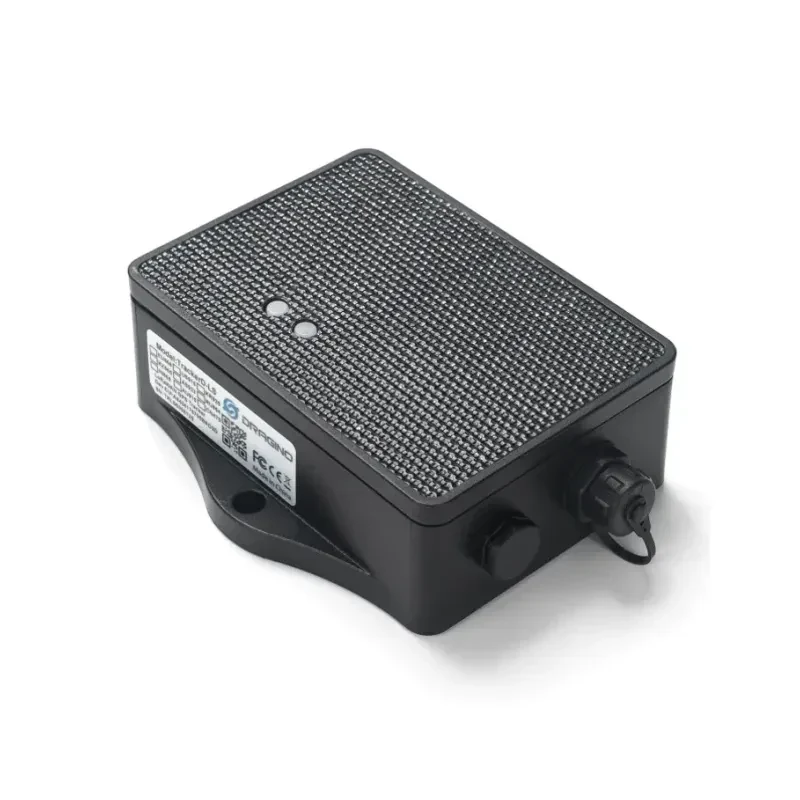
Dragino TrackerD-LS, a solar-powered LoRaWAN GPS tracker.
Asset Trackers
Similar category of device as vehicle trackers, but configured for a different job: rugged tags affixed to mobile or high-value remote assets like generators, trailers, solar panels, or heavy machinery, so you always know where they are.
Cost: $–$$
4. Environmental & Natural Hazard Monitoring
These sensors watch the land itself: climate patterns, fire risk, flood risk, and the general health of the ecosystem a reserve depends on.
Weather Stations
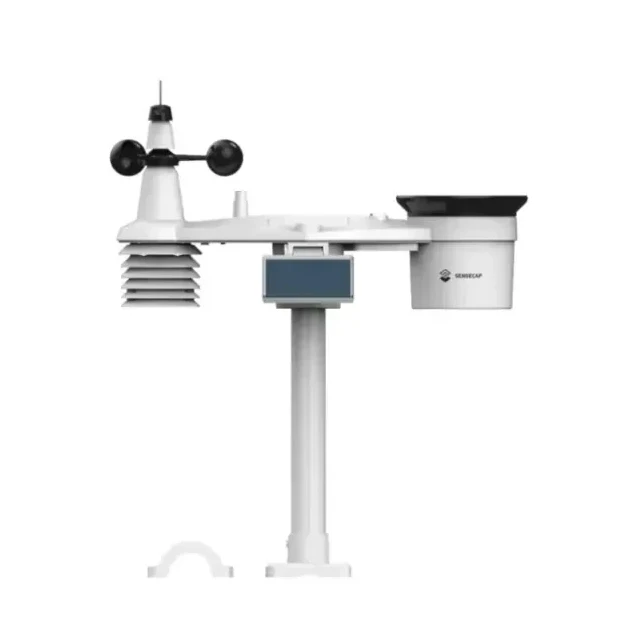
All-in-one meteorological stations tracking rainfall, wind speed, solar radiation, and barometric pressure. The SenseCAP S2120 is a good example, giving a single hyperlocal weather picture for a site rather than relying on regional forecasts that may not reflect conditions on the ground.
Cost: $$–$$$
Forest Fire Detection
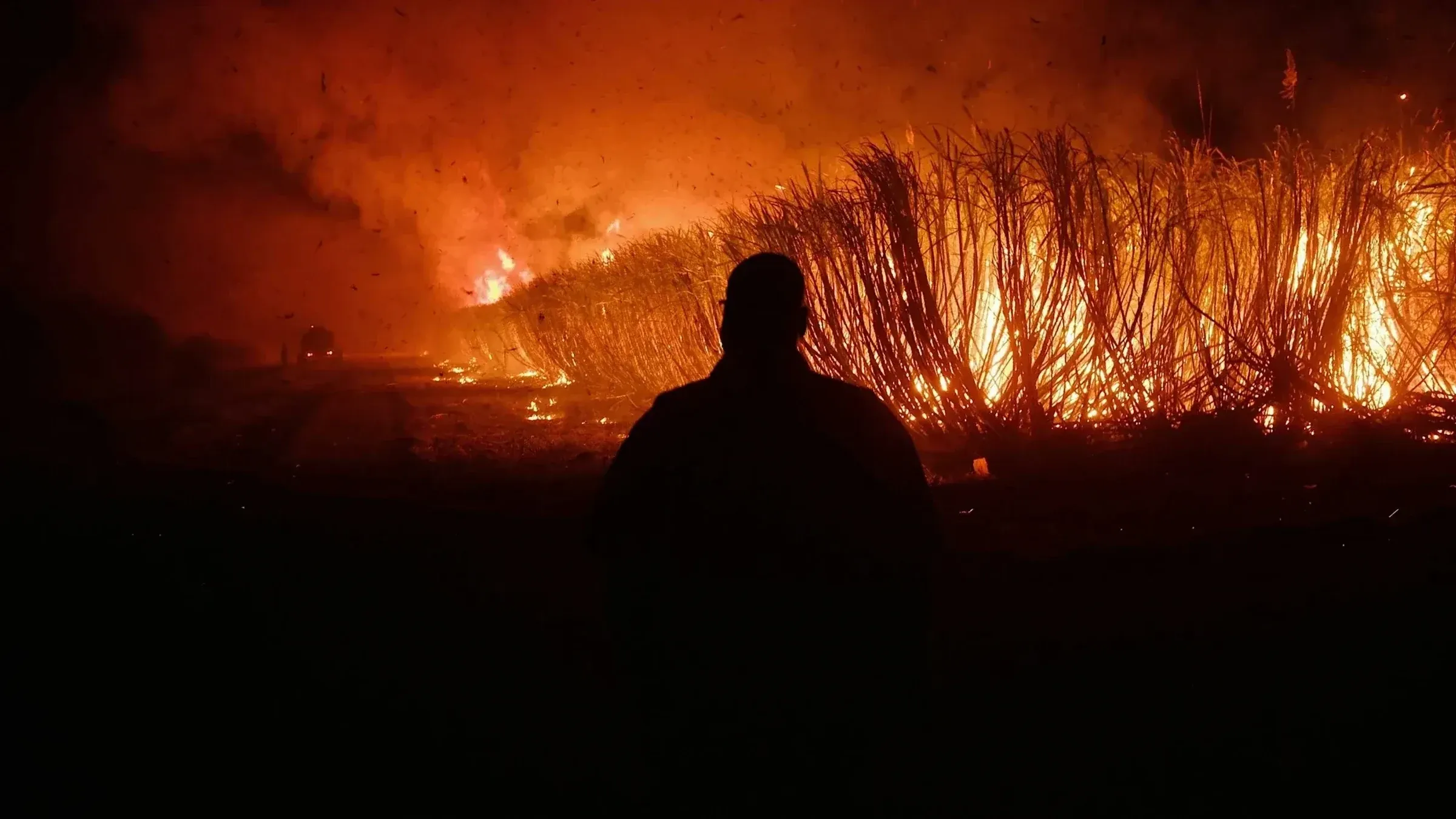
Early-warning sensors, combining gas detection (CO/VOC), temperature, and humidity, mounted high in tree canopies where they can pick up the earliest signs of a fire before it spreads. Dryad's wildfire sensors are a great example of this approach.
Cost: $
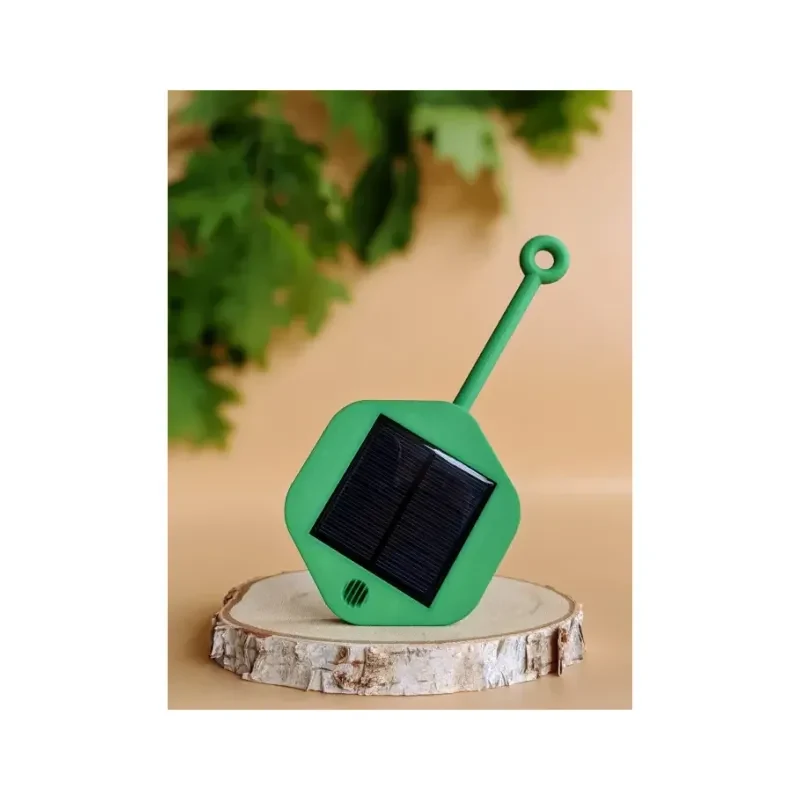
A solar-powered canopy wildfire sensor for early detection from Dryad.
River and Flood-Level Sensors
Ultrasonic or radar sensors mounted over rivers and seasonal washes to detect rising water levels and warn of flash floods before they hit. The Milesight EM41x-RDL and Dragino LDDS75 are both common choices here.
Cost: $–$$$
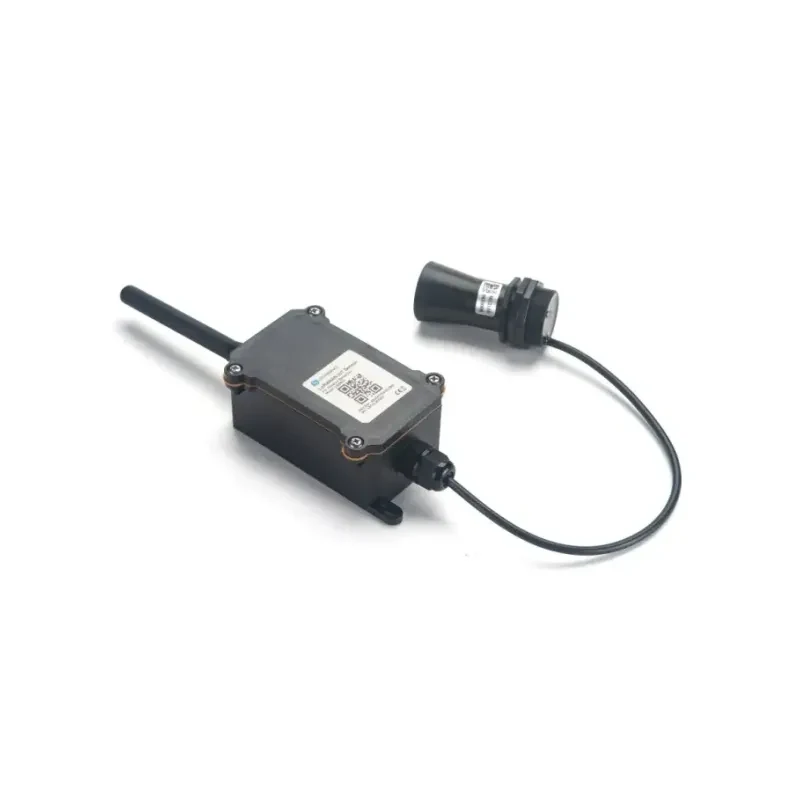
Dragino LDDS75 ultrasonic distance sensor, used for river and flood-level monitoring.
Soil Moisture Sensors
Deep-probe sensors measuring soil water content, useful for modelling rangeland carrying capacity and tracking vegetation green-up through the seasons. The SenseCAP S2104 and Dragino SE01-LB are both solid options, with the SE01-LB also reporting soil conductivity alongside moisture and temperature.
Cost: $$
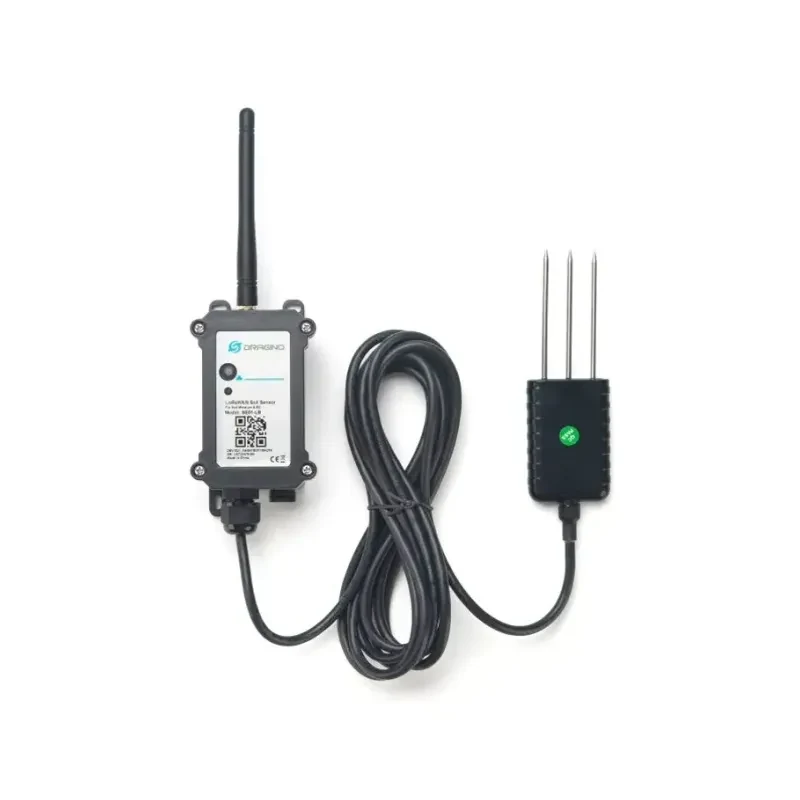
Dragino SE01-LB soil moisture and EC probe.
5. Reserve Infrastructure, Utilities & Automation
A reserve is also an off-grid operation in its own right, running boreholes, generators, solar arrays, and vehicles across terrain that can make a routine maintenance check a full day's drive. This category covers the sensors and actuators that keep that operation running, and let you manage some of it remotely rather than by physically visiting every site.
Water and Fuel Level Sensors
Submersible hydrostatic or ultrasonic probes that monitor diesel storage tanks, boreholes, and artificial watering troughs. The Smart Parks Tank Level Probe and Dragino LDDS75 are both common choices, giving remote visibility into resources that would otherwise only be checked on a physical patrol.
Cost: $$
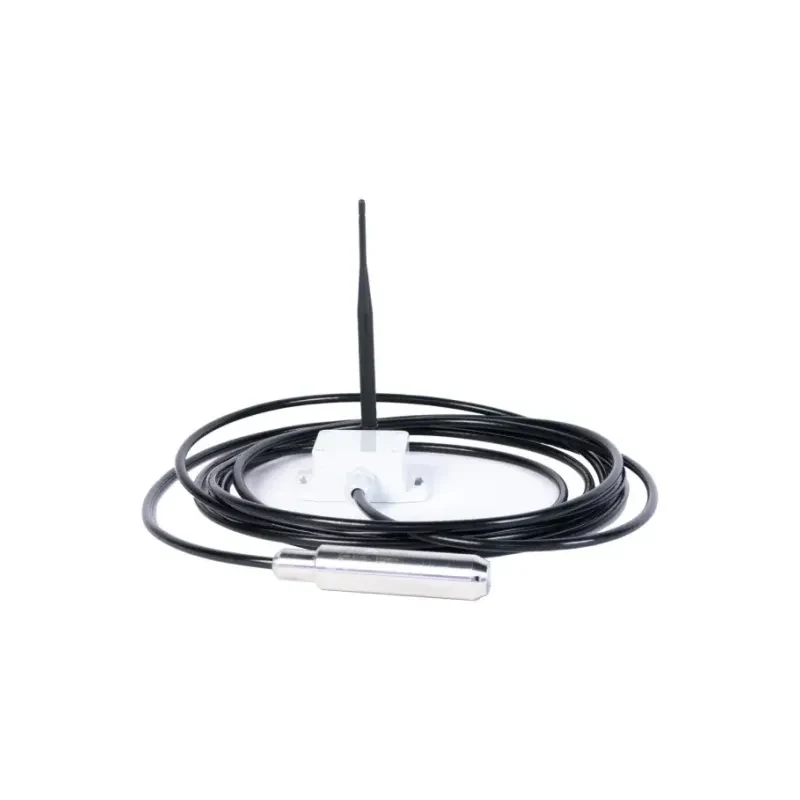
Smart Parks Tank Level Probe: submersible pressure sensor with LoRaWAN transmitter.
Battery Sensors
Voltage, current, and health monitors connected to remote off-grid solar power systems and backup battery banks, so a failing system can be caught before it actually fails. The Dragino PS-LB/LS-NA is a general-purpose analog-to-LoRaWAN converter rather than a dedicated battery monitor, useful for bringing voltage and current readings onto the network. The LS variant runs on a rechargeable battery, while the LB uses a replaceable one instead.
Cost: $
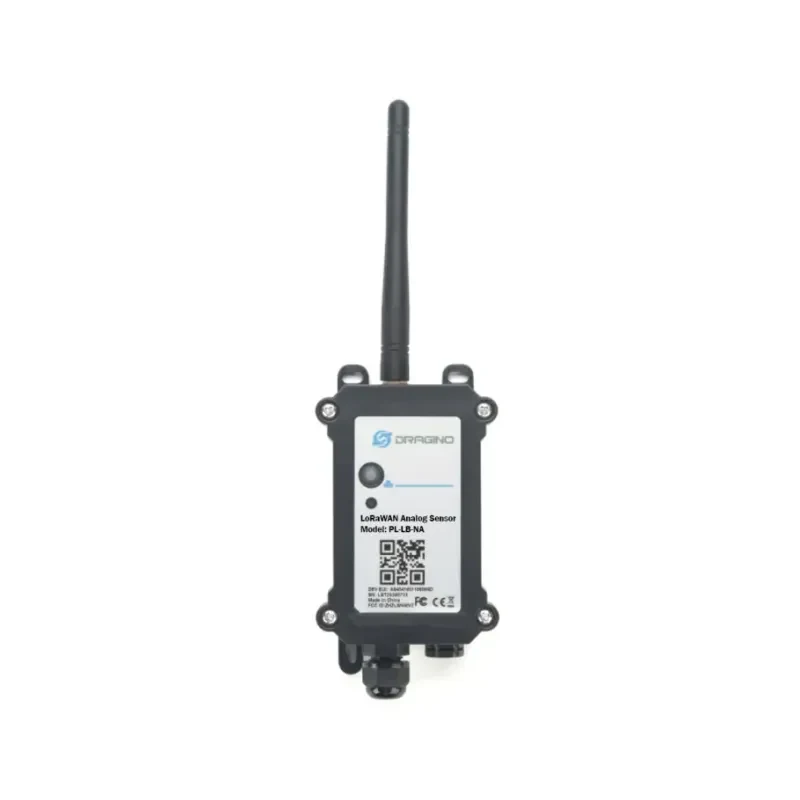
Dragino PS-LB/LS-NA analog sensor node, used to bring battery voltage and current onto LoRaWAN.
LoRaWAN Controllers and Switches
Actuators that trigger equipment remotely: solar pumps, sirens or strobe deterrents, capture boma drop-gates, and more. A practical use case is remotely power-cycling an electric fence energizer, saving a drive out every time it trips. Other options include generator start/stop and access control on equipment stores. The Dragino LC01 is one example, worth noting it's a mains-powered AC relay rather than a battery or solar device, so it needs existing wired power at the site.
Cost: $–$$
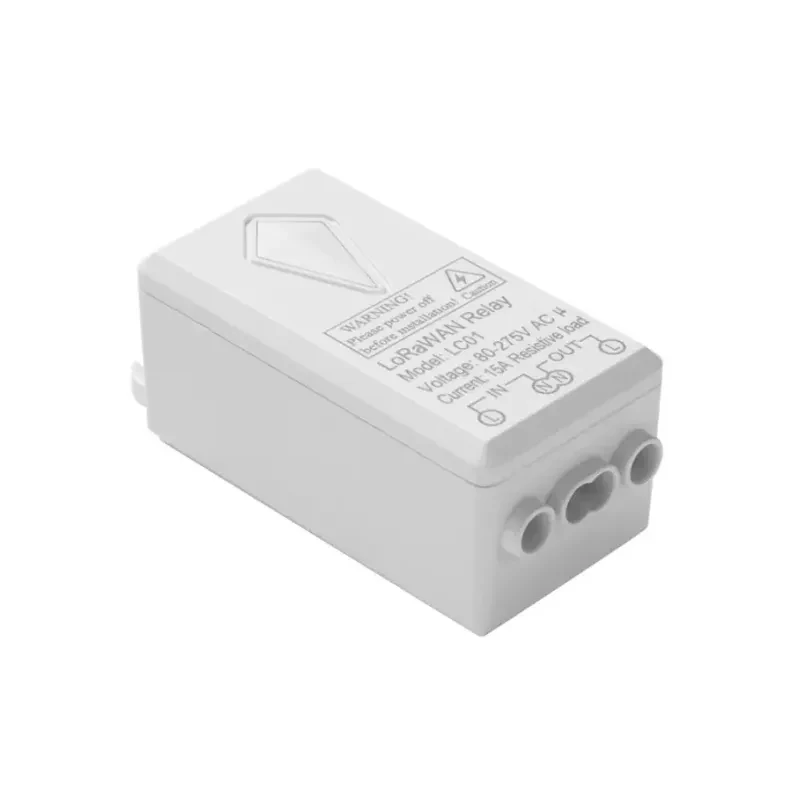
Dragino LC01 LoRaWAN relay for remote AC switching.
Final thoughts
We hope this field note gives you an idea of how wide the applications of LoRaWAN sensors can be. Keep in mind this is only a subset: there's a vast array of other sensors out there, and we encourage you to explore these for yourselves in places like the LoRaWAN device repository.
If you're just getting started, our advice is to pick the one or two categories that map to your biggest actual problem, rather than trying to cover all five at once. And once you've got a few sensors running, the real payoff often comes from how they work together. We've seen it firsthand: a fence alert landing at the same time as an elephant tracker on that stretch tells you a lot more than either one on its own. That's the advantage of everything speaking the same protocol: it's easier to bring it all into one picture.
If you think there are sensors or use cases we left out, or if you have thoughts on the sensors we mentioned, we'd love to hear from you at info@safora-tech.com.